Greta Zimmermann · 2 September 2026
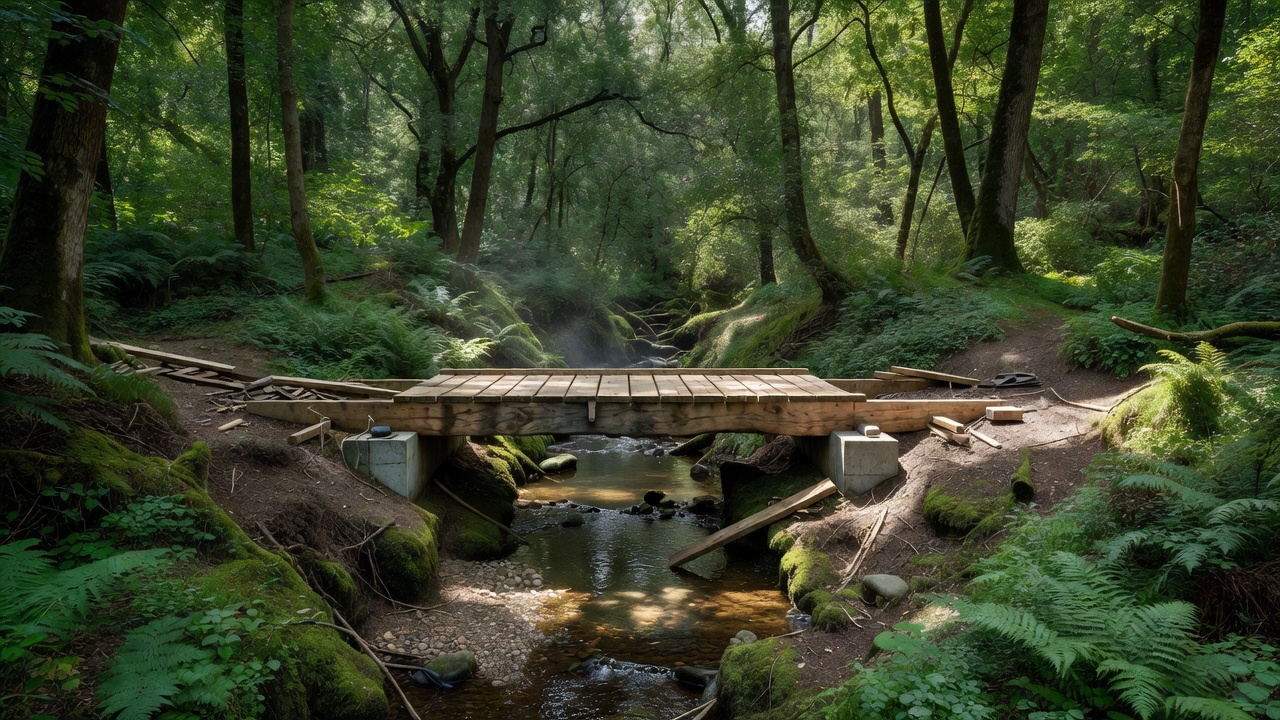
The local council has approved construction of a new footbridge on the Copseway Woodland Trails route. The structure will span a small stream that currently forces walkers to detour during wet weather. Funding comes from the authority’s countryside access budget and will be supplemented by a grant from the regional trails partnership.
Work is scheduled to begin in early spring and should take eight weeks. The bridge will measure 12 metres in length and feature non-slip decking together with timber handrails. Access ramps at each end will maintain a gentle gradient suitable for families and mobility scooter users.
Planning and Consultation Process
Planning officers received 87 public comments during the six-week consultation period. The majority supported the proposal, citing improved safety and year-round usability. Concerns raised about tree removal were addressed by relocating the bridge 30 metres downstream to avoid mature oaks. An ecological survey confirmed no protected species would be affected. The design uses locally sourced timber treated to British standards, ensuring a minimum 25-year lifespan with minimal maintenance.
Council engineers stated the existing crossing becomes impassable after moderate rainfall, leading to informal paths forming along the stream bank. The new bridge will eliminate this erosion and reduce the need for seasonal closures. A temporary diversion will be signposted during construction to keep the wider trail network open.
Benefits for Trail Users
Once complete, the bridge will connect two popular sections of the Copseway loop, shortening the main circular route by 800 metres. Regular visitors have welcomed the decision, noting it removes a longstanding barrier for less confident walkers. The trails partnership will install new waymarkers and an information board highlighting local flora and fauna visible from the bridge. Ongoing monitoring will assess usage patterns and any changes in visitor numbers over the next two years. The project forms part of a wider programme to upgrade infrastructure across the 14-kilometre trail system while preserving its natural character.